
Miles Design & Development
Miles Design & Development is a general contracting and construction company based in Loxahatchee, Florida, operating under Florida license CCC1337397...
Google 5.0 (3)
FL LicenseCCC1337397
Status DBPR active
237 roofing company profiles serve Port St. Lucie. Each profile shows whether RCF's latest accepted DBPR evidence supports an active license status. Confirm the current state record before hiring.
Miles Design & Development is a general contracting and construction company based in Loxahatchee, Florida, operating under Florida license CCC1337397...

About It All Roofing and Construction is a roofing and construction company based in Port St. Lucie, in St. Lucie...

Venice Commercial Services is a Florida-licensed contractor based in Port St. Lucie, in St. Lucie County, serving the Treasure Coast...

Reliable Roofer is a roofing contractor based at 730 SW Abode Ave in Port St. Lucie, St. Lucie County, Florida....

Wendell Clark & Son Roofing is a family owned roofing contractor based in Jensen Beach, Florida, serving the Treasure Coast....

Saltwater Roofing is a roofing contractor based in Port St. Lucie, St. Lucie County, Florida. The company is licensed with...

Roof Lab is a roofing and exterior contractor operating in Melbourne, Brevard County, Florida, from an office at 3840 W...
Rainbow Roofing is a woman-owned roofing contractor based in Lake Worth, Florida, serving Palm Beach County and the surrounding Treasure...

L&J Roofing is a Florida licensed roofing contractor based at 5531 NW 203rd Terrace in Miami Gardens, in Miami-Dade County....

Bear Contractors is a veteran owned roofing company based in Palm Bay, Florida, holding Florida Certified Roofing Contractor license CCC1332777...
Citrus Roofing & Construction is a family owned roofing and construction contractor based in Vero Beach, Florida, serving the Treasure...
FIXD Roofing is a family-owned roofing contractor based in Port St. Lucie, Florida, serving St. Lucie County and the surrounding...
Hurricane Roofing Solutions is a roofing contractor based in the Stuart and Palm City area of Martin County, Florida, operated...

One Construction & Roofing Contractors is a family-owned roofing company based in Port St. Lucie, Florida, serving the Treasure Coast...

Triple Crown Roofing and Repairs is a family-owned roofing contractor based in Vero Beach, Florida, incorporated in February 2011. The...

Hannabri Roofing is a licensed residential and commercial roofing contractor based in Vero Beach, Florida, serving Indian River County and...

Friendly Roofing & A/C is a family-owned and operated business based in Boca Raton, Florida, run by a father and...
Superior Services RSH is a family-owned commercial roofing company founded in 1975, with headquarters in Lansing, Michigan and a Florida...
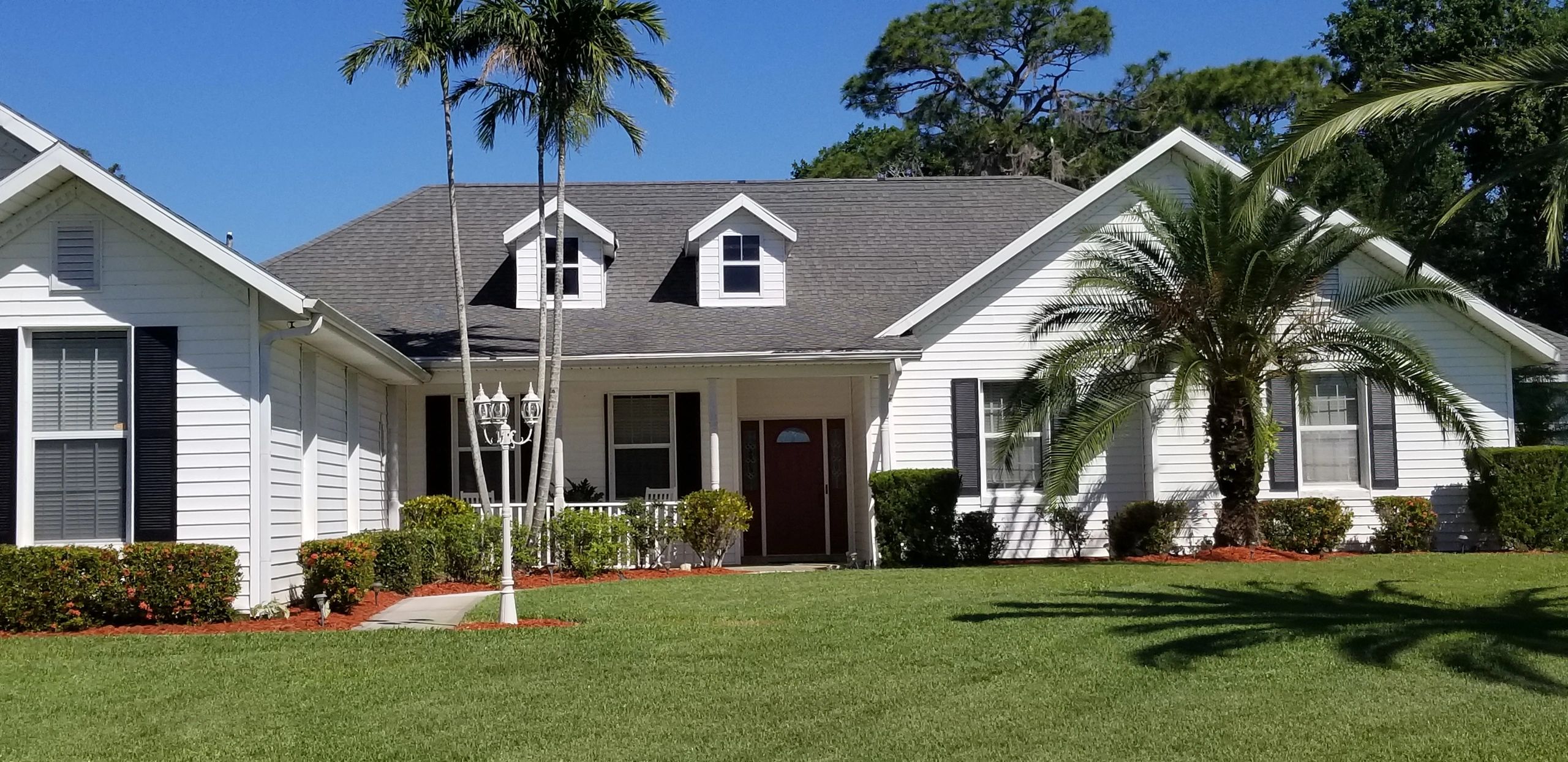
Ameri-Con Enterprises is a full-service roofing and general contracting company based in Lake Placid, Florida, founded and operated by David...
EDX is a locally owned and operated general and roofing contracting company based in Stuart, Martin County, Florida. The business...

Ridgecap Roofing is a family-owned and operated roofing contractor based in Port Saint Lucie, Florida, founded by Edward S. McKenna...
Charles Conry Roofing is a family-owned, licensed roofing contractor based in Vero Beach, Florida, serving the Treasure Coast for more...
Fortress Roofing Systems is a South Florida roofing contractor headquartered at 3501 SW Corporate Parkway in Palm City, in Martin...
Keystone Roofing Services is a Florida state-certified roofing and general contracting company based in Boca Raton, Palm Beach County, serving...
You must obtain written design approval from your HOA Architectural Review Committee before pulling a municipal building permit in Port St. Lucie master-planned developments.
This dual-approval process is the law of the land in highly regulated communities across Saint Lucie West and Tradition. For example, the LakeForest at St. Lucie West HOA requires homeowners to submit a formal application to the Architectural Review Committee before any contractor can unload materials. This process mandates submitting proof of compliance with the latest ASCE 7-22 wind standards.
You cannot just install any material you prefer.
Many local HOAs place strict aesthetic limits on your roofing options. LakeForest permits only flat concrete tile or specific asphalt shingles. They outright ban standing seam metal roofs. If you live in their Estuary section, however, you are permitted to use barrel tile. Meanwhile, over in The Lakes at Tradition, if you own a shared-roof unit like one of the Capris models, the HOA mandates that the entire shared roof must be replaced at once. You cannot replace just your half.
These rules are governed by Florida Statute Chapter 720.
While these local associations hold immense power over your home's appearance, Florida law does protect certain homeowner rights. Under the Florida Solar Rights Act, which is Florida Statute 163.04, your HOA cannot completely ban solar panel installations on your roof. This state law overrides any local HOA aesthetic rules. Whether you live in Saint Lucie West, the established residential streets of Sandpiper Bay, or the growing neighborhoods of Torino, understanding these overlapping layers of authority ensures your roofing project moves forward without costly legal delays or fines.
A complete roof replacement in Port St. Lucie ranges from $10,000 for basic architectural shingles to over $35,000 for concrete tile.
Your actual cost depends heavily on the material you select and the complexity of your roofline. For a standard 2,000-square-foot home, installing architectural asphalt shingles typically costs between $10,000 and $16,000. This material is popular in neighborhoods like Torino due to its balance of durability and upfront affordability.
Metal roofing represents a significant step up in both price and performance.
A professional standing seam metal roof installation generally runs between $18,000 and $30,000. While expensive, metal offers superior wind resistance and a much longer lifespan under the harsh Florida sun. If your local HOA bans standing seam, concrete tile is the premium standard.
Concrete tile roofs represent the highest tier of local pricing, often exceeding $35,000.
Tile is heavy. Your home's structure must be engineered to support the load. Beyond the raw materials, labor costs in the Treasure Coast area reflect the specialized training required to install tile to withstand hurricane-force winds.
The City of Port St. Lucie Building Department, located at 121 SW Port St. Lucie Blvd in Building B, requires a building permit for all structural roof work.
You cannot skip this step. The city operates an independent, IAS-accredited Building Department that enforces the Florida Building Code with strict local oversight. Your contractor must submit detailed engineering plans, wind load calculations, and proof of their active state licensing before any physical work begins on your home.
Failing to secure a permit will result in a stop-work order and double permit fees.
The permitting process is designed to protect your investment and your safety. Inspectors from Building B will visit your property at multiple stages during the project to verify that the work matches the approved plans. Once the permit is issued, it must be posted visibly on your property. After the work is finished, the city must perform a final inspection to officially close out the permit.
You must record a formal Notice of Commencement with the St. Lucie County Clerk of Court South County Annex at 250 NW Country Club Drive for any roofing project exceeding $2,500.
This requirement is set by Florida Statute 713.13 to protect homeowners from subcontractor liens. You must file this document before the City of Port St. Lucie Building Department can perform its first official inspection on your new roof.
Do not let your contractor start work without verifying this filing.
If you fail to record the Notice of Commencement, your inspections will be delayed, which can halt your entire project. The filing fee is modest, but the legal protection it offers is massive. It ensures that any subcontractors or material suppliers are paid by your primary contractor before they can place a lien on your home. You can submit the form in person at the South County Annex or file it electronically through the clerk's online portal.
The Florida Building Code dictates that if more than 25% of your roof is damaged or repaired within any 12-month period, the entire roof must be brought up to current code.
This rule has major financial implications for local homeowners dealing with storm damage. If a hurricane strips away a third of your shingles, you cannot simply patch that section. You are legally required to replace the entire roof.
This mandate applies even if the undamaged portion of your roof is relatively new.
The goal of the 25% rule is to phase out older, weaker roofs that do not meet modern wind-resistance standards. In neighborhoods like Sandpiper Bay, where many homes have roofs dating back to previous code cycles, this rule frequently turns minor repair claims into full roof replacements. Your insurance company must pay for the full replacement if the damage exceeds the 25% threshold, subject to your policy terms and deductible.
The My Safe Florida Home program offers up to $10,000 in matching funds by providing a $2 match for every $1 you spend on qualified wind-mitigation upgrades.
This state-funded program is designed to help you strengthen your home against hurricanes while lowering your property insurance premiums. To qualify, you must first undergo a free home wind inspection provided by the program.
This inspection identifies the specific upgrades your roof needs.
Once approved, you can hire a state-approved contractor to perform the work, which typically includes installing impact-resistant shingles, concrete tiles, or secondary water barriers. After the project is complete and passes a final inspection, the state reimburses you for two-thirds of the cost up to the $10,000 limit. This program has limited funding cycles, so you should apply as soon as applications open.
Port St. Lucie properties sit within the Florida Building Code wind-borne debris region, requiring roofs to withstand wind loads under the strict ASCE 7-22 standards.
To meet these standards, your new roof must feature specific wind-mitigation upgrades. Contractors must use ring-shank nails spaced six inches apart to secure the roof deck to the trusses. This fastening pattern doubles the resistance of your roof deck against uplift forces during a major storm.
Another critical requirement is the installation of a secondary water barrier.
This self-adhering polymer modified bitumen sheet prevents water from pouring into your home if high winds strip away your primary shingles or tiles. Once your roof is complete, you should hire a licensed inspector to perform a wind mitigation verification. Submitting this form to your insurance carrier can lead to significant premium discounts.
Every roofing contractor listed on this page has already been checked against the Florida DBPR license database to save you time and prevent scams.
We have done the heavy lifting of verifying licenses, so you can focus on comparing quotes and choosing the right professional for your home. Whether you need a complete tile replacement in Saint Lucie West or a shingle installation in Torino, choosing a verified local roofer is the best way to protect your property.
Take a moment to review the DBPR-verified professionals listed above.
You can read more about our verification process on our licensing methodology page. When you are ready to move forward, we can help you get free roofing quotes from licensed local contractors who understand Port St. Lucie's unique building codes and HOA rules.
Browse related services and locations. Numbers beside links show matching company profiles.