Rhino Roofing Contractors
Rhino Roofing Contractors, doing business as Rhino Roofs, is a Florida roofing contractor based in Hobe Sound, in Martin County....
FL LicenseCCC1333604
Status DBPR active
29 roofing company profiles serve areas within Okeechobee County. Each card shows whether RCF's latest accepted DBPR evidence supports an active license status. Confirm the current state record before hiring.
Rhino Roofing Contractors, doing business as Rhino Roofs, is a Florida roofing contractor based in Hobe Sound, in Martin County....
Cobb Roofing is a family owned and operated roofing contractor in Avon Park, Florida, in business since 1959. The company...
Parx Roofing is a veteran-owned and operated roofing specialist division of The Okeechobee Building Company, a construction firm incorporated in...
Neal Long Construction is a multi-trade construction company based in Okeechobee, Florida, founded on April 2, 2003, and incorporated July...

Luviano Contracting Group is a Florida-licensed roofing and construction company based in Okeechobee, Florida, operating under qualifier Osiel Luviano. The...
Wendell Clark & Son Roofing is a family owned roofing contractor based in Jensen Beach, Florida, serving the Treasure Coast....
Ted Starr Construction is a certified roofing and building contractor based in Okeechobee, Florida, operating under license CCC1326523 and qualified...
Rhino Roofs & General Construction is a veteran and family owned roofing contractor based at 3180 N Kings Hwy in...

Leo Roofing & Construction is a family-owned, owner-led roofing company based in Palm Beach Gardens, Florida, serving Palm Beach County...
OCC Quality Roofing is a family owned roofing contractor based in Okeechobee, Florida, led by President Oscar Calzada. The company...

Marzo Roofing West Palm Beach is a roofing contractor operating out of 1500 N Florida Mango Road in West Palm...
Crown Residential Services is the residential roofing license held under the Crown Roofing and Waterproofing brand, one of Florida's largest...
Marzo Roofing is a family-owned roofing contractor that has served Central and South Florida since 1987, making it one of...

Big Lake Roofing & Repairs is a family-owned roofing contractor serving Okeechobee and surrounding Florida counties since 1987, continuing a...
Luviano Roofing is a Florida state-certified roofing contractor headquartered in Okeechobee, Florida, founded on May 12, 2006. Led by President...

JT Roofing is a family owned roofing contractor based in Stuart, Florida, serving Martin, St. Lucie, Indian River, Palm Beach...
Kassella Construction is a construction and roofing company based in Okeechobee, Florida, operated by Andreas Peter Kassella. The business was...
American Roofing is a family-owned roofing company serving Okeechobee, Florida and surrounding counties since 1994. The company holds Florida Certified...

ACI-Century is a family-owned roofing and general contracting company based in Stuart, Florida, serving Martin, St. Lucie, Indian River, and...

Premier Roofing Solutions and Inspection Services is a roofing contractor based in Port St. Lucie, Florida, in St. Lucie County,...

E.W. MacDowell is a family owned and locally operated roofing contractor based in West Palm Beach, serving South Florida communities...
Rescue Roof Repair is a Florida certified roofing contractor based in Okeechobee, operating under license CCC1335366 with Scott William Logsdon...

Sunnyside Roofing is a family owned and operated roofing company based in Port St. Lucie, Florida, serving the Treasure Coast...

E Plus Engineering and Construction is a diversified engineering and construction firm based in Miami, Florida, with additional offices in...
Every roofing contractor operating in Okeechobee County must hold an active license from the Florida Department of Business and Professional Regulation (DBPR) to legally perform roofing work. Do not rely on local county registration cards alone. Since July 1, 2024, state law eliminated local specialty contracting licenses, meaning a state-issued Certified Roofing Contractor (CCC) or Certified General Contractor (CGC) license is the only legal credential for major roofing projects.
We have already verified the state licensing status for every contractor listed on this page. In our analysis of 10 sampled local roofing contractors serving the region, 7 maintain highly rated status, with the top-performing local firm holding 288 verified customer reviews. You can skip the tedious manual checking because we keep our database aligned with the state licensing board. To learn more about our strict screening standards, read about our verification process.
Hiring an unlicensed crew is a risk that can cost you your home insurance policy.
You must secure a building permit before any roof replacement or major structural repair can begin in Okeechobee County. If your property is in unincorporated areas like Dixie Ranch Acres or the Viking subdivision, your permit is processed by the Okeechobee County Building Department. This office is located at 1700 NW 9th Avenue, Suite A, and is operated under contract by SAFEbuilt Florida, LLC. Their staff reviews your plans to ensure compliance with local zoning and state structural rules.
Homes located within the city limits, such as those near Flagler Park, fall under the jurisdiction of the City of Okeechobee Building Department. You can find this office at City Hall, located at 55 SE 3rd Avenue. While your licensed roofing contractor should physically pull the permit and submit the drawings, you are ultimately responsible as the property owner for ensuring the permit is active and closed out properly.
A standard re-roofing project requires multiple inspections to pass code:
Make sure your contractor schedules these inspections in writing.
Florida Statute 713.13 requires you to file a Notice of Commencement before starting any roofing job valued at $2,500 or more. Some contractors might tell you the threshold is $5,000, but that higher limit only applies to mechanical work. For roofing, the trigger is exactly $2,500. You must sign this form, have it notarized, and record it with the Okeechobee County Clerk of Court.
This legal document protects your property from mechanics liens. It proves that you are paying the primary contractor, which prevents subcontractors or material suppliers from placing a lien on your home if the primary contractor fails to pay them. You must post a certified copy of the recorded Notice of Commencement at the job site before the building inspector will perform the first in-progress inspection.
Never allow work to begin without recording this document first.
The 8th Edition of the Florida Building Code mandates that all new roofs in Okeechobee County must withstand wind speeds ranging from 140 mph to 160 mph. The exact wind speed requirement depends on your specific geographic coordinates, with areas closest to the open waters of Lake Okeechobee facing stricter wind uplift calculations. Roofers must use specific fastening patterns, including ring-shank nails spaced six inches apart along the edges, to prevent shingles from peeling back in high winds.
Your contractor must submit valid Florida Product Approval numbers, commonly called FL numbers, with your permit application. These numbers verify that the specific shingles, underlayment, metal panels, or clay tiles have undergone independent laboratory testing to survive Florida winds. If a contractor cannot provide these FL numbers for the exact materials they plan to use, they cannot pass the initial permit review.
This system ensures your roof survives the next major storm.
A typical asphalt shingle roof replacement on a single-family home in Okeechobee County costs between $9,500 and $16,500. If you choose to upgrade to a metal roof, prices generally range from $14,000 to $28,000, depending on the panel style and gauge. Clay or concrete tile roof replacements are the most expensive option, often exceeding $30,000 due to the weight of the material and the structural reinforcement required.
These cost bands depend heavily on the size of your home, the pitch of your roof, and the condition of the underlying wooden deck. If your home is in an older established neighborhood like Ancient Oaks, you should budget an extra $1,000 to $2,500 for potential wood replacement. Slow, unnoticed leaks often rot the plywood deck, and code requires contractors to replace any damaged wood before laying down new underlayment.
Get multiple written estimates to compare raw material and labor costs.
Replacing a roof on a mobile or manufactured home in Okeechobee County typically costs between $5,500 and $10,500. Many residents living in communities like Seminole Cove Condominiums or the Palm Village Ranch Homeowners Association own manufactured homes that require specialized roofing solutions. Because mobile homes have lighter structural framing than site-built houses, they cannot support heavy clay tiles or thick asphalt shingles without risk of structural warping.
A highly effective solution for these properties is a roof-over system. Contractors install a thick layer of rigid foam insulation directly over your existing metal roof, then seal it with a durable single-ply membrane or lightweight aluminum panels. This method eliminates costly tear-off fees, adds immediate insulation to lower your cooling bills, and meets all federal HUD wind zone standards for the Lake Okeechobee region.
A properly installed roof-over can keep your mobile home dry for decades.
Under Florida insurance regulations, carriers can refuse to renew your homeowners policy if your asphalt shingle roof is more than 15 years old. If your roof has reached this age limit, you might receive a non-renewal notice giving you a limited window to either replace the roof or prove it has remaining life. You can hire a certified inspector to perform a roof inspection; if they certify the roof has at least 5 years of remaining useful life, your insurer must allow you to maintain coverage.
You can offset these rising insurance costs by investing in a wind mitigation inspection after your roof replacement. This inspection documents safety features like hurricane straps, ring-shank nails, and a secondary water barrier. Additionally, the state-funded My Safe Florida Home program offers financial assistance, matching two dollars for every single dollar you spend on wind-hardening improvements, up to a maximum grant of $10,000.
A stronger roof is the fastest way to lower your annual premiums.
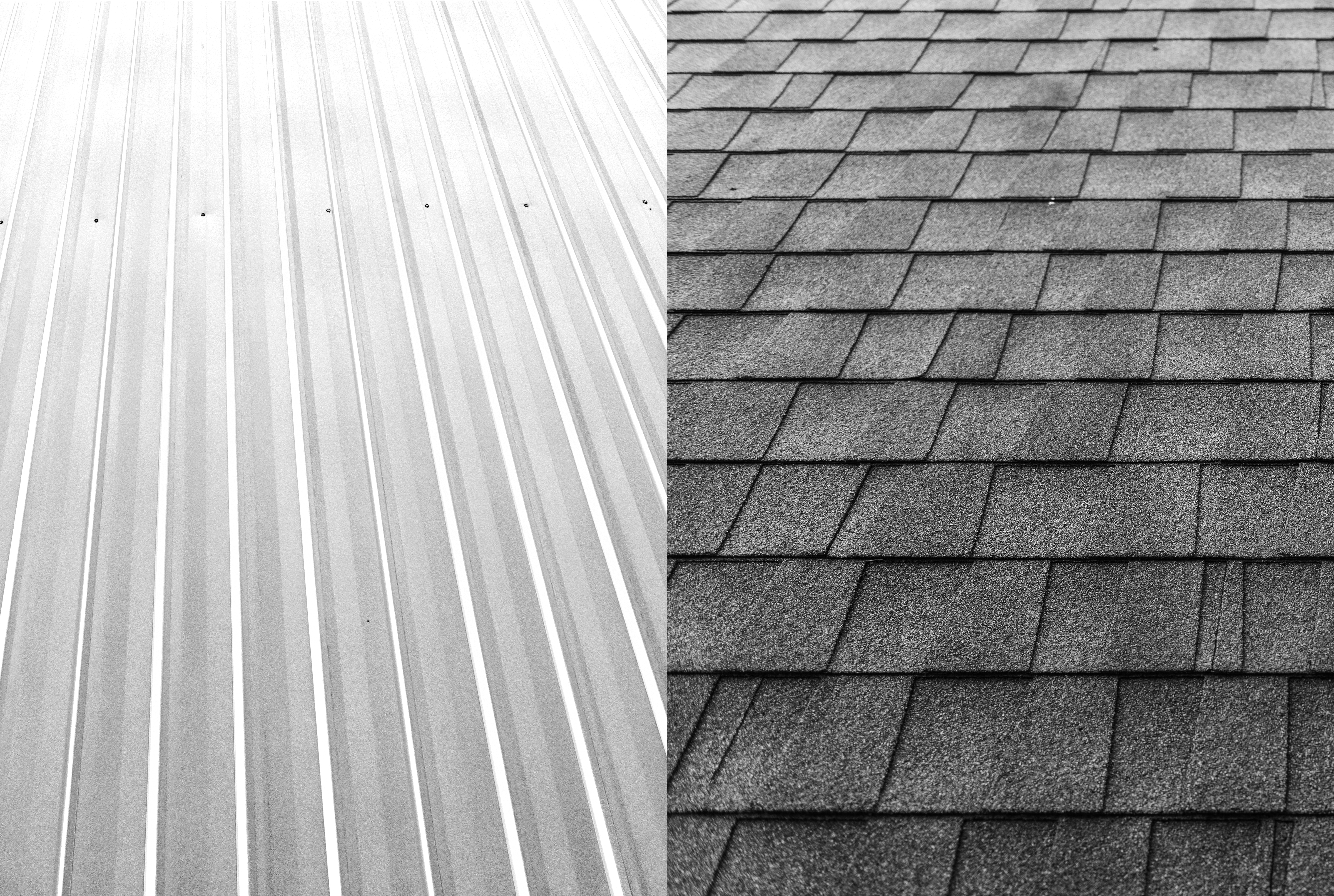
Standing seam metal roofing is the most durable choice for the intense heat and seasonal storms of inland Okeechobee. While coastal cities must worry about salt spray, inland properties near the Kissimmee River experience prolonged UV exposure that bakes asphalt shingles. Over time, this intense heat dries out the asphalt, causing shingles to crack, curl, and lose their protective granules prematurely.
When choosing a material, consider how it handles both wind and heat:
Metal might cost more upfront, but it easily outlasts two shingle roofs.
Severe inland storms, including Hurricane Irma in 2017, have demonstrated that Okeechobee is highly vulnerable to wind damage. If a major storm damages your roof near Lake Okeechobee Park or the Oasis Village Clubhouse, your priority should be protecting your home from water intrusion. Take detailed, high-resolution photographs of all damaged areas from the safety of the ground before any emergency tarps are installed.
Be highly cautious of door-to-door solicitors offering free roofs or high-pressure inspections after a storm. Florida law prohibits roofing contractors from soliciting residential properties without an invitation after a declared state of emergency, and doing so is a third-degree felony. Never sign an Assignment of Benefits (AOB) contract, which signs over your insurance claim rights to a contractor, as recent legislative reforms have eliminated attorney-fee sharing for these agreements.
Deal directly with your insurance company and a verified local contractor.
Finding a reputable, licensed roofing contractor in the 34972 and 34974 ZIP codes does not have to be a stressful process. By choosing from our pre-screened list of DBPR-verified professionals, you eliminate the risk of hiring unlicensed crews or falling victim to storm-chaser scams. You can focus on comparing material options, reviewing local references, and securing competitive pricing.
Take the next step to protect your home from Florida weather. You can easily request estimates from multiple verified contractors to find the right fit for your budget and schedule. Get started today and compare verified local roofers servicing your neighborhood.
Browse related services and locations. Numbers beside links show matching company profiles.
Maintained by Roofing Companies Florida. Source links reviewed September 9, 2026.
Official sources10
How we review this page
Company profiles on this page are compared with RCF's latest accepted DBPR source data. Profiles whose current active status cannot be supported are labelled for recheck, renewal review, or status review. Official source links are reopened and confirmed during each page review.
Membership never changes a license-evidence decision. Paid placement is disclosed wherever it affects ordering.
License and permit information can change. Confirm the current DBPR record and the building department for the property address before hiring or starting work.