
Storm Pros Roofing & Impact
Storm Pros Roofing & Impact is a Certified Roofing Contractor based in Dania Beach, Florida, serving homeowners across Broward, Miami-Dade,...
Google 5.0 (89)
FL LicenseCCC1336792
Status DBPR active
153 roofing company profiles serve Homestead. Each profile shows whether RCF's latest accepted DBPR evidence supports an active license status. Confirm the current state record before hiring.
Storm Pros Roofing & Impact is a Certified Roofing Contractor based in Dania Beach, Florida, serving homeowners across Broward, Miami-Dade,...
Up to the Roof is a licensed roofing and general contracting company based in North Miami Beach, Florida, serving Miami-Dade,...
M&M Roof Tech is a Miami-based roofing contractor serving Miami-Dade County and the surrounding South Florida area. The company is...

Mount Olympus Construction is a licensed and insured general and roofing contractor based in Miami, serving Miami-Dade and Broward counties....
Florida Quality Roof Solution is a licensed roofing contractor based at 11 S Krome Ave in Homestead, Florida, serving Homestead...

JM Builders is a full-scale general contracting firm based in Homestead, Florida, founded by Jeffrey Martin, whose initials give the...
TJ Platinum Roofing is a residential and commercial roofing contractor based in Homestead, Florida, serving Miami-Dade County and the greater...

A & H Environmental is a Miami-based multi-trade contractor offering roofing, air conditioning, plumbing, and general construction services throughout South...
Irego is a Miami-based contracting company qualified by Leandro Tomas Gonzalez, holding Florida Certified Roofing Contractor license CCC1332824 alongside Certified...
Lusa Best Services is a roofing contractor based in Homestead, Florida, serving Miami-Dade County under the ownership of Jose Antonio...

Sealed Tight Roofing is a GAF Certified roofing contractor based in Hialeah, in Miami-Dade County, Florida, holding state license CCC1332175....
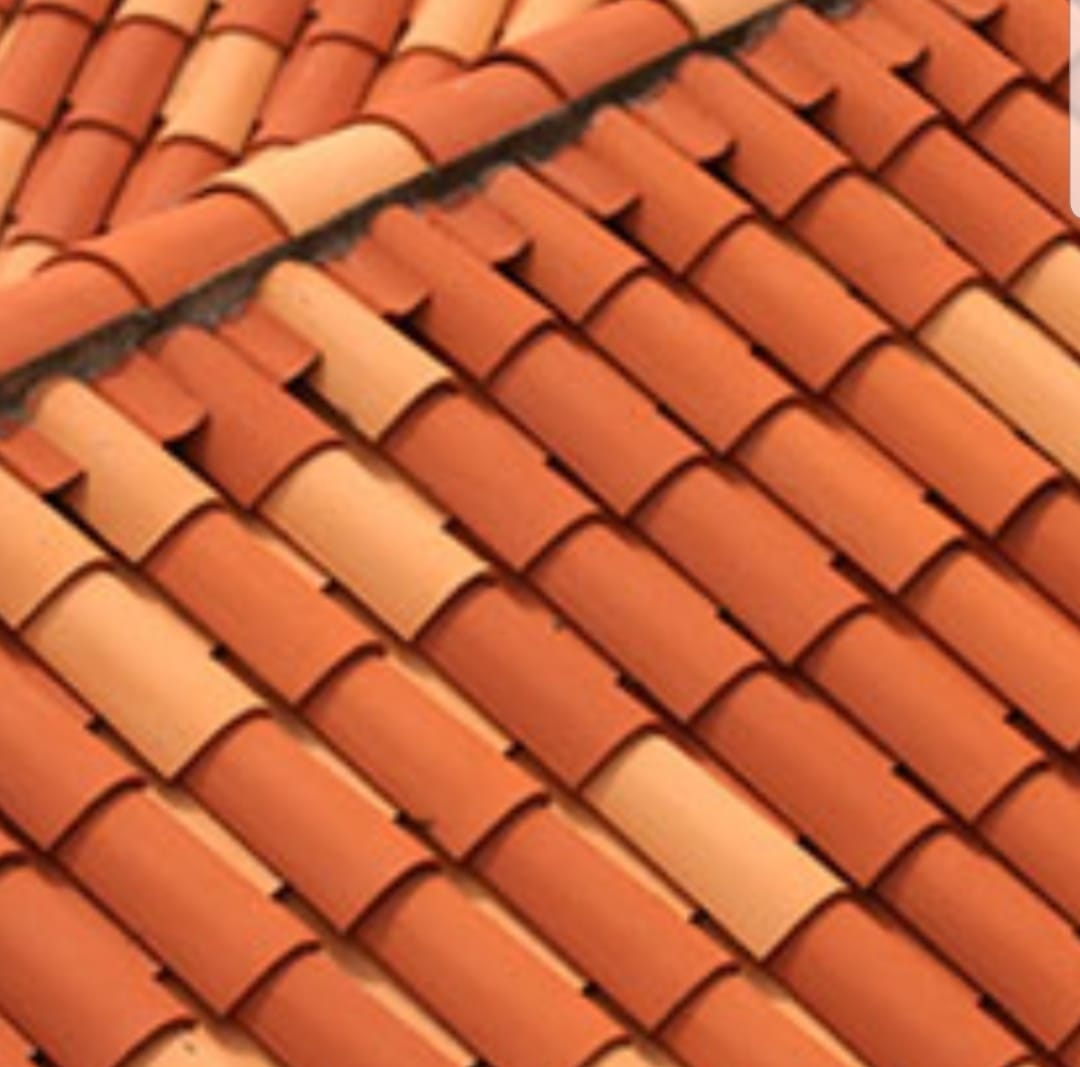
Paula Roofing is a family owned roofing contractor based in Homestead, Florida, serving Miami-Dade County and the surrounding South Florida...

Stone House Roofing is a State Certified Roofing Contractor based in Homestead, Florida, operated by Joangel Batista. The company provides...

Eagle of the Keys Roofing Contractors is a roofing company based in Homestead, Florida, serving Miami-Dade County, the Florida Keys,...
Sahara Roofing is a Florida-licensed roofing contractor based in Miami, Miami-Dade County. The company is led by Vice President Alexander...
Barrier Roofing & Construction is a family-owned Florida roofing contractor based in Miami Lakes, Miami-Dade County, founded and led by...
Palmer Roof Tech is a South Florida roofing contractor based in Palmetto Bay, Florida, owned and operated by Suyapa C....
Fraser Roofing FL is a family-owned residential and commercial roofing contractor based in Cutler Bay, serving the greater Miami area...
Exotite Roofing and Waterproofing Service is a Florida roofing and waterproofing contractor headquartered in Miami Lakes, in Miami-Dade County, operating...
Eagle of the Keys Roofing Contractors is an owner-operated roofing company based in Homestead, Florida, that has served South Florida,...
Heights Roofing is a state-certified roofing contractor based in Homestead, Florida, serving Miami-Dade, Broward, and Monroe counties since 1999. Founded...
Dan the Tiki Man is a South Florida contractor based in Homestead, Miami-Dade County, incorporated in 2015 and specializing in...
Karibe Construction is a highly active Miami-based contractor holding Florida certifications in roofing (CCC1328515), general contracting (CGC1515053), and mechanical contracting...
All Florida Roofing Repairs & Inspections is a licensed roofing contractor based in Florida City, Florida, in Miami-Dade County. The...
Homestead roofs must withstand 175 mph winds under the strict High-Velocity Hurricane Zone rules of the Florida Building Code. This benchmark comes directly from the hard lessons of Hurricane Andrew in 1992, which devastated homes in areas like Homestead Base. Your roof cannot simply look good. It must function as a structural shield. Local rules dictate that contractors use ring-shank nails spaced exactly six inches on center along the edges of the roof deck. This prevents the plywood from peeling off when low-pressure vortexes pull at your home during a major storm. Underlayment requirements are equally severe, mandating a secondary water barrier to keep rain out even if your primary shingles blow away. If you live near the open fields of South Dade, your home faces less wind obstruction, making these HVHZ structural standards even more vital to your safety.
Ring-shank nails have deep ridges along their shafts that grip the wood fibers like a screw. Standard smooth nails slip out easily under the immense uplift forces of a Category 5 hurricane. By forcing contractors to use ring-shank nails spaced tightly together, the city ensures your roof deck stays anchored to your trusses during extreme weather.
The City of Homestead Building Safety Division processes all local roofing permits independently from City Hall at 100 Civic Court. You do not file your paperwork with Miami-Dade County. Instead, you or your contractor must submit plans through the city's electronic portal, known as EPL-B.U.I.L.D. This system integrated with DigEplan on October 1, 2025, replacing the old Community Plus system. If your roofing project costs more than $2,500, Florida law requires you to file a certified copy of the Notice of Commencement with the Miami-Dade County Clerk of Courts before your first inspection. The city will not perform a dry-in inspection without this document recorded and posted on your job site.
You must sign and initial a unique form called the 'Owner Notification for Roofing Considerations' before the city will issue a roofing permit. This local document protects you and the city by clarifying what building inspectors actually check. You must initial several sections, acknowledging that the city's inspectors enforce safety and wind-resistance codes, not aesthetic perfection. Workmanship disputes regarding crooked shingles or minor cosmetic flaws are civil matters between you and your contractor. The Building Safety Division only cares about structural integrity. This form ensures you understand this boundary before the tear-off begins. It prevents misunderstandings when the job wraps up and the final inspection is scheduled.
Homestead enforces a strict local building ordinance that requires you to install gutters on any roof with an eave overhang of six inches or less. This rule prevents torrential South Florida downpours from sheeting directly off your roof and eroding your home's foundation. Many homeowners are caught off guard by this requirement during a re-roof. If your home has shallow eaves, your roofing contractor must include gutters in the scope of work to pass the final inspection. It is a smart rule that protects your slab and landscaping from water damage during our summer storms. Your gutter system must be designed to handle the heavy volume of water typical of our tropical climate.
Every roofing material used on your Homestead home must carry an active Miami-Dade Notice of Acceptance. These documents prove the products have passed testing against high winds, flying debris, and driving rain. Your contractor must submit these product approval sheets with your permit application. The specific product control numbers will be checked during your inspections to make sure the crew installed exactly what was approved. From the self-adhering underlayment to the concrete tiles, everything must be certified for the High-Velocity Hurricane Zone. Using unapproved materials will fail your inspection and halt your project.
A new roof in Homestead typically costs between $9,000 and $29,000 depending on the size of your home and the material you choose. Asphalt shingles are the most affordable option, but they have the shortest lifespan under the intense South Florida sun. Concrete tile and metal roofs cost more upfront but offer superior wind resistance and last twice as long.
If your property sits near the adjacent Redland agricultural district, your roofing needs might include specialized packing houses or barns. These structures face different wind-load calculations depending on whether they are open, partially enclosed, or fully enclosed. Metal roofing is the standard choice here due to its durability and ease of maintenance over large spans. However, even agricultural buildings must comply with the strict wind-velocity rules enforced by the Homestead Building Safety Division. Unpermitted work on farm structures can lead to severe code enforcement fines and complicate your commercial liability insurance. You must ensure your contractor understands the specific wind-load requirements for these structures.
You can significantly lower your homeowners insurance premiums by requesting a wind mitigation inspection immediately after your final roof approval. The inspector will document your roof's features on the official Uniform Mitigation Verification form, also known as OIR-B1-1802. Features like hurricane straps, a secondary water barrier, and impact-rated shingles translate directly into insurance discounts. Additionally, you may qualify for the My Safe Florida Home program, which offers a state match of two dollars for every one dollar you spend on wind-resistant upgrades, up to a maximum grant of $10,000.
Homestead building inspectors will visit your property at least twice during your roofing project to verify code compliance. The first critical visit is the dry-in and flashing inspection, which must occur after the old roof is torn off and the new underlayment is nailed down. The inspector checks the nail spacing on your roof deck and verifies the secondary water barrier is correctly installed. The final inspection occurs after all shingles, tiles, or metal panels are fully secured and any required gutters are in place. Your contractor must have the approved permit package and the Miami-Dade Notice of Acceptance documents printed and available on-site for both visits.
We have already done the heavy lifting of verifying every contractor listed on this page against the Florida Department of Business and Professional Regulation database. This means you do not have to guess whether a company holds an active, clean license to work in the High-Velocity Hurricane Zone. You can focus on comparing their experience, reading local reviews, and requesting detailed estimates. To begin, you can request free quotes from these certified professionals. Learn more about our vetting standards by reading our DBPR-verification methodology.
Browse related services and locations. Numbers beside links show matching company profiles.