
Elite Roofing and Contracting
Elite Roofing and Contracting is a commercial and industrial roofing contractor operating in Florida under certified roofing contractor license CCC1333990,...
FL LicenseCCC1333990
Status DBPR active
44 roofing company profiles serve Miami Shores. Each profile shows whether RCF's latest accepted DBPR evidence supports an active license status. Confirm the current state record before hiring.
Elite Roofing and Contracting is a commercial and industrial roofing contractor operating in Florida under certified roofing contractor license CCC1333990,...

Miami Roofing Systems is a family owned roofing contractor based at 660 NW 98th Street in Miami, Florida, serving Miami-Dade,...

T & E Roofing is a family owned and operated roofing contractor based in Doral, Florida, serving Miami-Dade, Broward, Palm...

Three Brothers Roofing is a family owned roofing contractor based in Miami, serving North Miami and the surrounding Miami-Dade County...
Pioneerstar Construction Services is a residential and commercial roofing contractor based in Miami, Florida, serving the greater Miami area. The...
M.R. Sanchez Carpentry is a licensed roofing and general contractor based at 13460 NW 5th Avenue in North Miami, Miami-Dade...
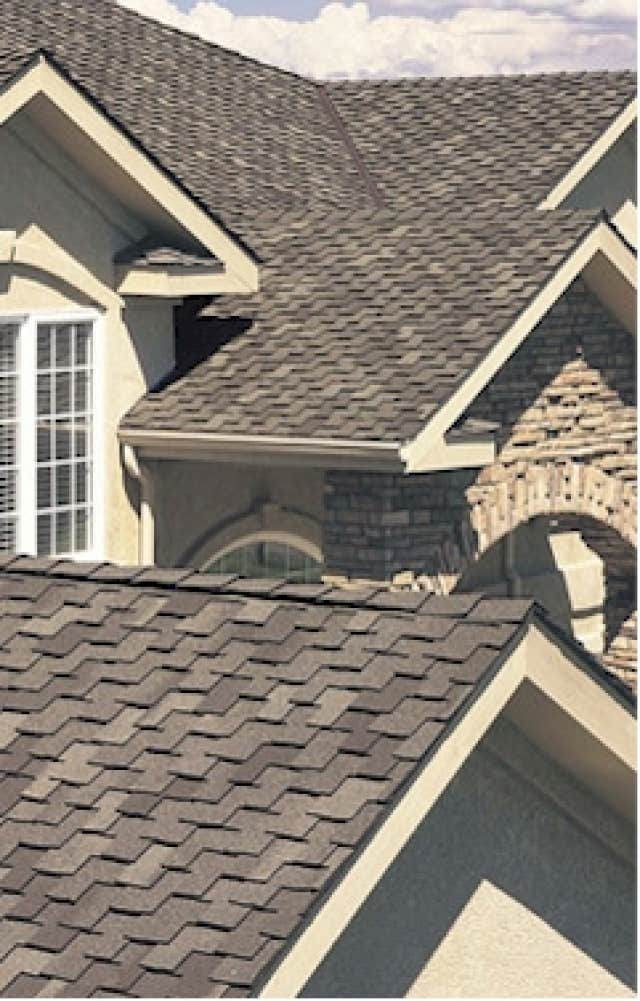
Americas Preferred Roofers is a certified roofing contractor based in Cutler Bay, Miami-Dade County, Florida, qualified by Ana Regina Vazquez....
Gator Roofing & Construction is a certified roofing and general contractor based in Miami Beach, Florida, serving Miami-Dade, Broward, and...
Solarguard Roofing is a Boca Raton-based roofing contractor founded in 2007 by George Toufic Jawde, who has been active in...
John Busta Roofing is a residential and commercial roofing contractor based in Miami Shores, Florida, owned and operated by John...
Cocho is a Pembroke Pines, Florida roofing and general contracting company led by Ivan Jose Gonzalez, who holds both a...
Irego is a Miami-based contracting company qualified by Leandro Tomas Gonzalez, holding Florida Certified Roofing Contractor license CCC1332824 alongside Certified...
Lusa Best Services is a roofing contractor based in Homestead, Florida, serving Miami-Dade County under the ownership of Jose Antonio...
All Roofing and Services Florida is a certified roofing contractor based in Delray Beach, Palm Beach County, Florida, qualified by...
RAM Construction is a Miami-area roofing and general contracting company headquartered in Hialeah, Florida, operated by qualifier Mark Larry Ramirez....
WPH Construction is a Miami-based certified roofing and building contractor owned and operated by Wilson P. Henry. Incorporated in Florida...
ARC Roofing is a full-service roofing contractor serving residential and commercial property owners across South Florida. Founded in 2006 by...
Joya Roofing is a family-owned roofing contractor based in Miami, Florida, operating under Florida Certified Roofing Contractor license CCC057559. The...
South Beach Construction is a full-service general contracting firm based in Bay Harbor Islands, Florida, founded in 1998 by Jeri...

NexLevel Contractors is a state certified roofing, impact window, and impact door company based in the Palmetto Bay and Cutler...
Roof Runners USA is a Certified Roofing Contractor licensed in Florida under license CCC1332799, based at 757 NE 126th St...
Perfect Roofing of Florida is a roofing contractor based in Coral Gables, Florida, operating under Florida Certified Roofing Contractor license...
Ries Construction is a Miami-based certified roofing and general contracting company operating in Miami-Dade County. Licensed under Florida roofing license...

Earl W. Johnston Roofing is a family-founded roofing contractor that has served Hollywood, Fort Lauderdale, and the surrounding South Florida...
You must obtain formal approval from the Miami Shores Architectural Review and Appeals Board before the village will issue a building permit for any roof replacement that changes your home's exterior material. This is a strict local rule designed to protect the historic character of the community. Miami Shores is known throughout South Florida as the Village Beautiful or the Village of Flowers. It features an incredibly high concentration of 1920s Mediterranean Revival and Spanish Revival homes. If you own one of these historic properties, you cannot simply select any off-the-shelf roofing material. The board actively reviews the color, shape, and overall architectural compatibility of your proposed roof to ensure it aligns with historical preservation standards.
This aesthetic review is not optional. If you attempt to skip this step, the village building division will immediately deny your permit application. This is why we have already verified every roofing contractor on our directory. By choosing from our pre-screened list, you work with professionals who understand how to prepare submittals for the board. They know how to present material samples and technical drawings that secure quick approvals. This keeps your project moving forward without costly administrative delays.
The review process focuses heavily on preserving original architectural profiles. For historic Mediterranean homes, this means clay barrel tiles are almost always required. Modern dimensional shingles are restricted to mid-century ranch-style homes and are generally banned on historic structures. Working with a contractor who respects these boundaries is the easiest way to avoid friction with local code enforcement.
Section 523.1(6) of the Miami Shores Village Code of Ordinances mandates that all clay or concrete roofing tiles must be color-thru materials. This means the color pigment must be fully impregnated throughout the entire thickness of the tile. Surface-coated or painted tiles are completely prohibited in the village. If a storm chips your roof, the underlying material must show the exact same color intensity as the surface. This prevents your roof from looking worn or mismatched over time.
This ordinance directly impacts your material selection and project budget. Color-thru tiles are manufactured to higher standards, which makes them more expensive than basic surface-stained concrete tiles. However, they offer superior long-term durability and aesthetic consistency. When severe weather strikes, flying debris can easily nick your roof. With color-thru tiles, those small nicks remain invisible from the street, preserving your home's curb appeal.
Before purchasing any tile, your roofing contractor must provide manufacturer specifications proving the material complies with Section 523.1(6). The village building clerk will verify this documentation during the permit review process. Choosing an unapproved tile will result in a failed inspection, forcing you to tear down and replace the non-compliant materials at your own expense.
The Village of Miami Shores Building Division enforces strict administrative rules including a double-sided printing requirement for all physical permit applications. The building division is located at 10050 NE 2nd Ave. If your contractor submits permit documents printed on single-sided paper, the building clerk will reject the application. This administrative policy ensures that notary blocks, owner signatures, and contractor signatures remain on the same physical sheet of paper, preserving document integrity.
Additionally, if your home has gas-fired appliances like a water heater or furnace, you must submit a signed statement from a licensed plumbing contractor. This statement must verify that the gas vent system was safely disconnected and reconnected during the roof replacement. The building division will not schedule your final roofing inspection without this plumbing sign-off. This rule is designed to prevent dangerous carbon monoxide leaks from improperly aligned vents.
For any roofing project exceeding 2,500 dollars in value, Florida law requires you to file a formal Notice of Commencement. You must record this document with the Miami-Dade County Clerk of Courts before work begins. A certified copy of the recorded Notice of Commencement must be posted at your job site. The Miami Shores building inspector will refuse to perform the first in-progress inspection if this document is missing.
Every roofing material installed in Miami Shores must carry an active Miami-Dade County Notice of Acceptance to meet High-Velocity Hurricane Zone building codes. Standard Florida Product Approvals are not sufficient in Miami-Dade County. The building division requires the Notice of Acceptance to cover the complete roofing assembly, which includes the specific tile or shingle, the underlayment, and the fasteners. These components must be tested together to prove they can withstand wind speeds exceeding 170 miles per hour.
This complete assembly rule means you cannot mix and match products from different manufacturers unless they are explicitly approved in the Notice of Acceptance. For example, using a high-quality clay tile with an unapproved underlayment will void your building permit. Your contractor must submit the specific Notice of Acceptance numbers for every product used on your roof.
This level of compliance protects your home from catastrophic structural failure. During a hurricane, high winds create massive uplift pressures on your roof. If a single component fails, the entire roof assembly can peel off, exposing your home's interior to torrential rain. Verifying the Notice of Acceptance ensures your roof is engineered to survive these extreme conditions.
Florida Statute 553.844 requires a structural roof-to-wall connection retrofit during a roof replacement if your home has a just value over 300,000 dollars. This law applies to many properties across Miami Shores due to strong local home valuations. When your roof deck is exposed during a replacement, your contractor must inspect the connections between your roof trusses and the wall top plates. If they do not meet modern wind-resistance standards, the contractor must install metal hurricane straps or clips to secure the structure.
This structural upgrade is one of the most effective ways to prevent roof uplift during a major storm. It physically ties your roof to the concrete block walls of your home. It also qualifies you for substantial wind mitigation discounts on your homeowners insurance premiums. In many cases, these insurance savings can quickly offset the cost of the retrofit.
To maximize your protection, your contractor should also install a secondary water barrier. This involves applying a self-adhering polymer-modified bitumen underlayment directly to the wood roof deck. If high winds strip away your clay tiles or shingles, this secondary barrier prevents water from pouring into your home. It keeps your family dry and protects your personal property from water damage.
The dense oak and mahogany tree canopy that defines the Miami Shores environment accelerates roof valley rot by trapping moisture and organic debris. Wet leaves and twigs accumulate in roof valleys, especially on homes near Biscayne Shores and properties near Miami Ironside. This organic debris forms a thick mat that holds water against your roofing material. Over time, this trapped moisture rots the underlayment and causes active leaks.
To combat this issue, local roofing contractors must install heavy-gauge metal valley flashing. This flashing provides a smooth, durable surface that allows water and debris to wash away easily. It resists the corrosive effects of decaying organic matter far better than standard underlayment alone. Regular roof maintenance is also critical. You should have your valleys cleared of debris at least twice a year to prevent water from backing up under your tiles.
Tree branches also pose a physical threat to your roof. High winds can scrape branches across your tiles, cracking the clay or concrete. It is highly recommended to trim any overhanging branches back at least ten feet from your roofline. This protects your roof from physical impact and reduces the volume of leaves falling onto your roof.
A new roof in Miami Shores typically ranges from 12,000 dollars for a shingle ranch home to over 35,000 dollars for a historic Mediterranean Revival clay tile estate. These prices reflect the high cost of compliant materials and the complex labor required for historic installations. Shingle roofs are the most affordable option, but they are limited to specific architectural styles. Clay and concrete tile roofs represent a larger upfront investment but offer unmatched longevity and historical compliance.
Several factors drive your final roof cost. The structural weight of clay tiles often requires engineered truss reinforcements, adding to the labor and material expenses. The mandatory color-thru tile ordinance also carries a price premium compared to standard concrete tiles. Additionally, navigating the local building permit process and securing ARAB approvals requires extra administrative time from your contractor.
While the initial cost may seem high, a professionally installed roof adds significant value to your home. It protects your property from severe weather, lowers your cooling bills through improved thermal efficiency, and ensures compliance with strict local building codes. Investing in high-quality materials and a licensed contractor saves you money on repairs and insurance premiums over the long term.
Florida homeowners insurance companies routinely issue non-renewal notices to Miami Shores property owners with shingle roofs over 15 years old. For tile roofs, insurers often flag policies once the roof reaches 25 years of age. Under current Florida insurance rules, you must prove your roof has at least five years of remaining useful life to maintain your policy. If your insurer threatens non-renewal, you must act quickly to secure a replacement and avoid a lapse in coverage.
Waiting until your roof leaks to replace it is a risky strategy. A sudden non-renewal notice can force you into the expensive state-backed Citizens Property Insurance Corporation. Replacing an aging roof proactively ensures you maintain access to competitive private insurance rates. It also gives you the time to properly plan your replacement and choose the right materials.
Once your new roof is installed, your contractor should perform a wind mitigation inspection. This inspection documents the structural upgrades made to your roof, such as hurricane straps and secondary water barriers. Submitting this report to your insurance agent can trigger substantial premium discounts, helping you recoup some of your replacement costs. If you are facing insurance pressure, requesting a replacement quote from a verified contractor is your best next step.
Every roofing contractor listed on this directory is already checked and verified against the Florida DBPR state license database. We did the hard work of vetting these companies so you do not have to worry about unlicensed crews or storm-chasing scams. Unlicensed contracting is a third-degree felony in Florida during a declared state of emergency. Working with a verified professional protects your home and your financial investment.
Our directory features highly rated contractors serving residential corridors close to the Upper East Side and streets surrounding the C. Lawton McCall Community Center - Miami Shores. Whether you live near Miami Shores Village Hall or need service around the Miami Shores Nursing & Rehab, you can easily compare local roofers who understand the village's unique building codes and historic preservation rules. You can learn more about our strict vetting standards by reading about our DBPR-license verification process online.
Your next step is to review the verified companies listed below and request free quotes for your project. Comparing multiple detailed proposals allows you to find the right fit for your budget and architectural needs. Do not let an aging roof or an insurance threat compromise your home. Connect with a trusted, local professional today to secure your property.
Browse related services and locations. Numbers beside links show matching company profiles.